As security, convenience, and access control becomes increasingly important across all types of facilities, door entry has evolved into an essential solution. Whether you're managing a school, securing a commercial site, or upgrading residential access, this guide explains the different types of intercom systems available and helps you choose the right one for your needs.
What Is an Intercom System?
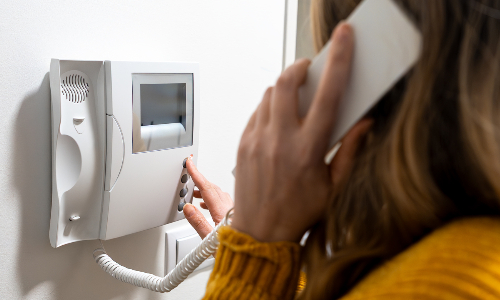
An intercom is a communication method that allows interaction between a visitor at an entry point, such as a door, gate, or barrier, to someone inside a building or at a remote location. It serves as a controlled access point, enabling users to identify, verify, and manage visitors before granting or denying entry.
Modern entrance systems go beyond simple communication. Many now include video functionality, mobile connectivity, and integration with wider access control. This allows users to not only speak with visitors, but also see them, record activity, and remotely control doors or gates.
As part of a complete access control system, intercoms play a key role in improving security, entry management, and overall convenience for both residential and commercial environments.
Why Install an Intercom System?
1. Improved Security
Intercoms provide security by allowing you to verify visitors before granting access. This is especially important for:
- Schools and universities
- Hospitals and healthcare facilities
- Care homes and assisted living environments
- Commercial and industrial sites
By controlling entry points, you significantly reduce the risk of unauthorised access and improve overall site safety.
2. Convenience and Efficiency
For residential buildings, particularly in flats and multi-occupancy premises, door entry systems remove the need to physically go to the entrance.
With the right intercom, you can:
- Speak to visitors remotely
- Grant access with the push of a button
- Manage deliveries more efficiently
This makes them ideal for apartment blocks, gated properties, and busy office environments.
Types of Intercom Systems
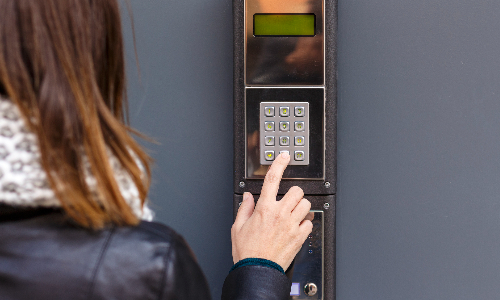
Understanding the different types of entrance systems is key to selecting the right solution.
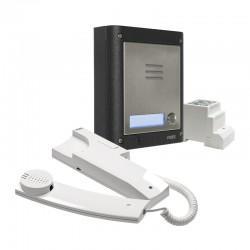
Audio Intercom Systems
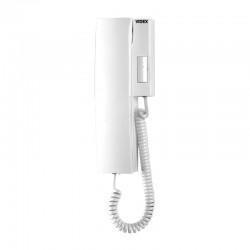
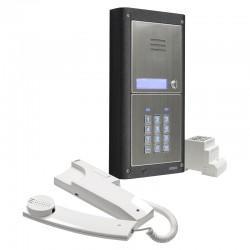
Audio systems provide simple two-way voice communication between the entry point and the user’s internal handset.
Best suited for:
- Basic communication needs
- Budget-conscious installations
- Internal door entry
Benefits:
- Easy to use
- Cost-effective
- Reliable for everyday access control
If visual identification isn’t essential, audio intercoms offer a dependable and affordable solution.
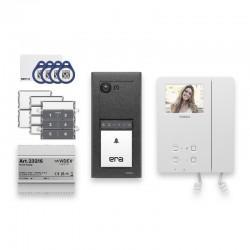
Video Intercom Systems
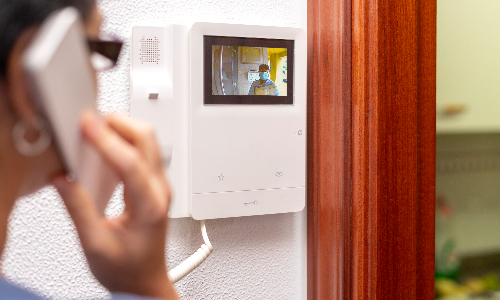
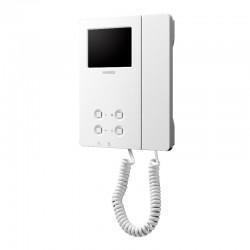
Video entrance systems increase security by allowing users to see who is requesting access.
Best suited for:
- Schools, hospitals, and care facilities
- Residential homes seeking added security
- Commercial buildings with higher security demands
Benefits:
- Visual verification of visitors
- Increased peace of mind
- Optional recording or snapshot features
For those who want greater control and reassurance, intercoms with a camera are the next step up in security from audio-only.
GSM Intercom Systems
GSM units use mobile networks to make and receive calls, replacing wired handsets with mobile connectivity.
Best suited for:
- Remote gates or entrances
- Places where cabling is impractical or costly
- Retrofit installations
Benefits:
- Minimal wiring required
- Calls can be answered via mobile phone
- Ideal for large or rural properties
GSM systems provide a flexible and effective alternative if cabling isn’t an option.
IP Intercom Systems (Network-Based)
IP intercoms connect via a network, such as Ethernet or Wi-Fi, allowing advanced functionality and integration with modern security and access control systems. They can support audio only or combined audio-video communication, giving you flexibility depending on your security needs.
Best suited for:
- Commercial premises
- Multi-site operations
- Smart buildings and fully integrated security systems
Benefits:
- Remote access via apps or software, so you can speak to visitors or unlock doors from anywhere
- Integration with CCTV and access control
- Scalable and future-proof, allowing you to expand the system across multiple entrances or sites
- Supports advanced features like video recording, call forwarding, and user management
IP systems are ideal for organisations looking for a connected, long-term solution that combines convenience, high security, and complete control over access.
Choosing the Right Intercom System
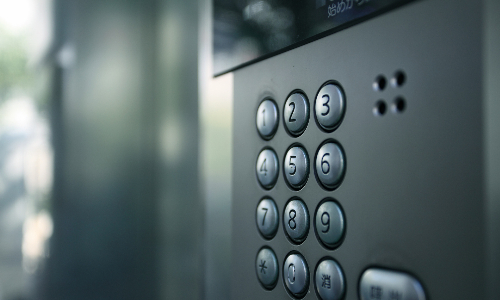
When selecting an entrance system, consider:
- Location: Is cabling feasible, or is a wireless option required?
- Security Level: Do you need audio only or visual verification?
- Facility Type: Residential, commercial, or high-security environment?
- Scalability: Will it need to expand over time?
Every property has unique requirements, so choosing the right system depends on balancing these factors.
Intercom Solutions Tailored to Your Built Environment
Ultimately, the effectiveness of an entry system lies in how well it matches the unique demands of the environment it serves. By carefully considering security requirements, user convenience, and future scalability, you can invest in a solution that not only protects your building but also improves everyday access and communication.
For any help with choosing the right intercom, our expert team is here to guide you.










Comments