When designing or installing an access control system, attention often centres on the visible hardware such as readers, controllers, locks, and power supplies. Yet one of the most critical elements frequently goes overlooked: the cabling that ties the entire system together.
Using the wrong type of cable can lead to signal issues, reduced system reliability, premature equipment failure, and costly troubleshooting later. This guide covers 5 common cable types used in access control systems and explains how to choose the right cable for your system.
Why Cable Choice Matters
Access control systems rely on clear, uninterrupted communication between devices. The cable you select influences:
- Signal reliability – reducing interference and voltage drop
- System longevity – preventing repeated replacements
- Safety and compliance – ensuring cables meet standards for fire and installation environments
- Ease of installation – the right cable saves time and avoids unnecessary labour
- Future-proofing – especially as systems increasingly use network communication
Selecting the right cable isn’t just good practice, it’s vital to system performance.
Our Cable Range for Access Control
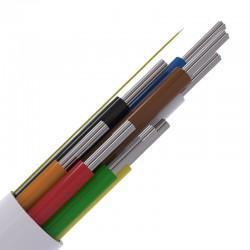
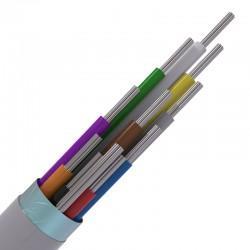
1. 8-Core CCA Alarm Cable (Copper Clad Aluminium)
What it is:
A cost-effective multicore cable using CCA conductors, combining aluminium with a tinned copper coating.
Best for:
- Standalone access control systems
- Low-current devices
- General control/signalling applications
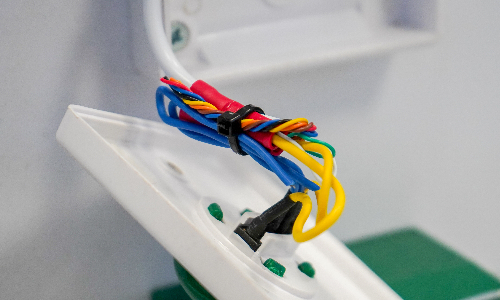
This 8-core alarm cable is ideal for installations where distances are short to medium and where a full copper conductor isn’t critical. It’s lightweight, flexible, and provides excellent value without compromising basic performance.
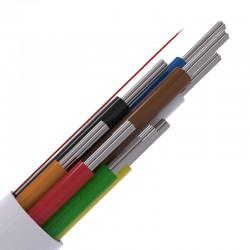
2. 8-Core Full Copper Cable
What it is:
A premium multicore cable with full copper conductors, offering maximum conductivity, reliability, and long-term performance.
Best for:
- High-performance access control installations
- Devices sensitive to power fluctuations
- Environments where signal integrity is crucial
Why choose it:
This 8-core copper alarm cable is designed for installations where performance cannot be compromised. Full copper construction minimises voltage drop and ensures superior signal integrity, making it ideal for security systems, alarms, and other applications where reliability is key.
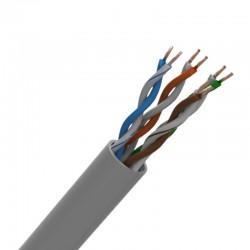
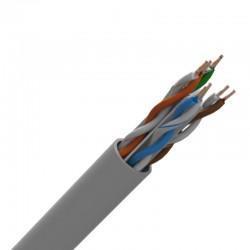
3. Cat5e Network Cable
What it is:
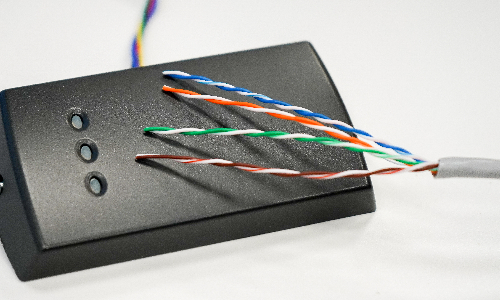
Cat5e (Category 5 enhanced) is a twisted-pair Ethernet cable designed for high-speed network communication.
Best for:
- IP access control systems communicating over TCP/IP
- Intercoms or door entry panels connected via network
- CCTV or integrated security networks
As more access systems move to network-based communication, Cat5e provides a versatile and cost-effective solution.
4. Cat6 Network Cable
What it is:
A higher performance ethernet cable supporting faster speeds, greater bandwidth compared to Cat5e.
Best for:
- High-traffic IP access control systems
- Future-proofing installations
- Integrated building security platforms
If you’re installing a new system or want to ensure performance for years to come, Cat6 is the smarter choice.
5. 10-Core Screened Belden-Style Cable
What it is:
A premium multicore cable with a foil screen that protects against electromagnetic interference (EMI), makes Belden-style cables ideal for electrically noisy environments.
Key Benefits:
- Minimises interference to ensure reliable operation of connected devices
- Delivers consistent performance for proximity readers and other sensitive equipment
- Maintains signal integrity in environments prone to electrical noise
The foil screen provides extra protection, helping ensure dependable performance for readers and other sensitive equipment.
How to Choose the Right Access Control Cable
Selecting the correct cable is essential for a reliable, long-lasting access control system. Here are the key factors to consider:
Electric Locking Device Requirements
Check the manufacturer’s specifications for your electric locks. If the anticipated current approaches or exceeds these specifications, use full copper cable to ensure stable and reliable performance. This reduces voltage drop and prevents operational issues.
System Communication Needs
Consider how your system communicates:
- Standalone access control systems may work with basic multicore cables
- Network-integrated systems (IP-based access control) require Cat5e or Cat6 to handle data transmission efficiently
Cable Run Length
Long cable runs can cause voltage drop or signal degradation. For longer distances, full copper or shielded cables are recommended to maintain system performance.
Environmental Factors
Electrical interference from nearby machinery, fluorescent lighting, or other high-traffic areas can affect signal quality. In these environments, use screened or more durable cables to prevent interference.
Future Access Upgrades
Planning to upgrade to IP access in the future? Choosing Cat6 now can save time, cost, and labour down the line, ensuring your system is future-proofed.
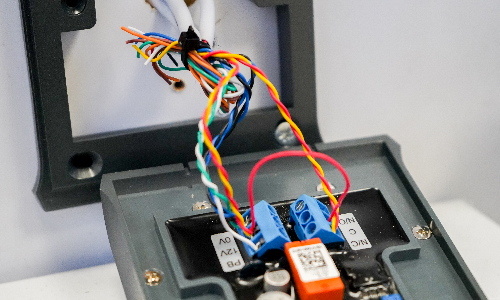
Expert Help for Your Access Control Cabling
Choosing the right cable is essential for ensuring your access control system performs reliably day after day. While we’ve highlighted our main cable options, alternative cables are also available to meet specific installation needs or environments.
Our technical team at Door Controls Direct can help you select the best cable for your setup, providing expert guidance on determining the most suitable cable type for your devices, ensuring compatibility with controllers and readers, and reducing interference or voltage issues.
Contact our team to find the perfect cable solution for your access control system and ensure optimal performance and longevity.







Comments