Relays are among one of the most important yet often overlooked components in access control systems. Whether you are an installation company working with these systems daily, or a new to the industry learning how the pieces fit together, access control relays play a vital role behind the scenes.
Put simply, relays act as bridges between devices, allowing one piece of equipment to safely control another. They are used so extensively that most people encounter them every day without realising it.
From keypads and door controllers to fire alarms and emergency break glass units, relays provide the essential link that enables access control systems to operate safely, reliably, and in compliance with regulations.
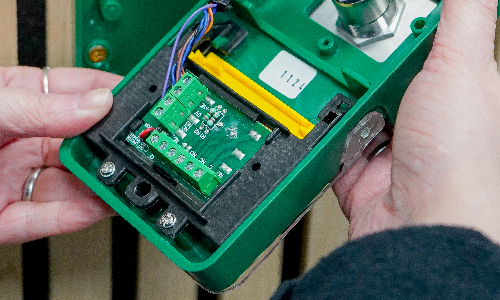
What Is a Relay in Access Control?
In its most basic terms, a relay is an electrically controlled switch. It lets a low-power signal from the access control system turn a higher-power device on or off, such as a door lock, maglock, or electric strike.
In access control systems, relays are primarily used to:
- Lock or unlock doors
- Trigger alarms or indicators
- Interface between different systems (e.g. automatic doors, intercoms, and fire alarms)
The key principle behind relay use is electrical isolation. Relays allow devices to communicate without directly sharing power, protecting sensitive electronics and ensuring reliable and compliant system operation.
Where Relays Are Commonly Found in Access Control Systems
Keypads
Most access control keypads include an internal relay. When the correct access code is entered, the relay changes state and signals the door to unlock. Depending on the system design, this relay may switch power directly to the lock or send a signal to a separate controller.
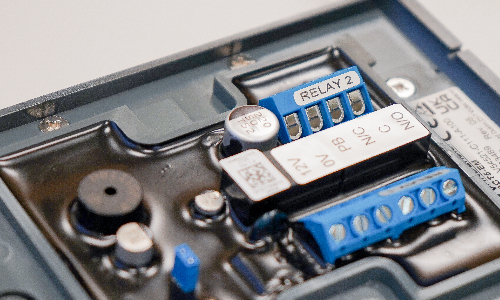
Break Glass Units
Emergency break glass units rely on relays to immediately unlock doors when activated. When the glass is broken or the button is pressed, the relay opens or closes the circuit, overriding normal access control operation to ensure a safe exit.
Access Control Controllers
Controllers are the heart of any access control system and rely heavily on relays. Each door output typically uses a relay to control the locking device, while additional relays may handle alarms, door status monitoring, or integration with other building systems.
Fire Alarm Interfaces
Access control relays play a critical role in interfacing access systems with fire alarms. When a fire alarm is activated, a relay ensures that doors unlock automatically to allow safe evacuation. Fire-rated relay interfaces are used to meet local safety and regulatory requirements.
Other Common Applications
Relays are also found in:
- Touch-free exit buttons and request-to-exit devices
- Electric strikes
- Magnetic locks (maglocks)
- Automatic door operators
- Intercom systems
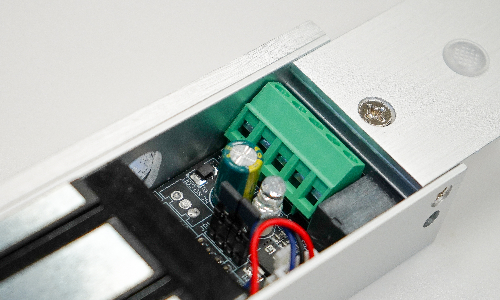
Types of Relays Used in Access Control
Normally Open (NO) and Normally Closed (NC)
- Normally Open (NO): The circuit remains open until the relay is activated
- Normally Closed (NC): The circuit remains closed until the relay is activated
Both configurations are widely used depending on the lock type and whether the system must be fail-safe or fail-secure.
Latching Relays
Latching relays change state when triggered and remain in that state until they receive a second signal to reset. Unlike standard relays, they do not require continuous power to maintain their position.
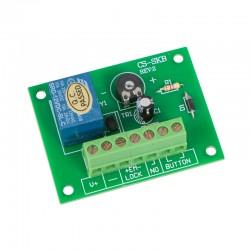
Time Relays
Time relays are used to unlock doors for a preset duration. For example, once valid access is granted, the relay may energise for a set duration before automatically resetting.
They are particularly useful when integrating third-party equipment or when additional timing control is needed beyond what the main access controller provides.
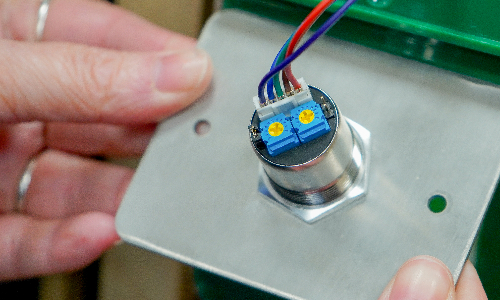
Single, Double, and Triple Pole Relays
Relays can also be classified by the number of circuits they control:
- Single Pole: Controls one circuit (e.g. a single door lock)
- Double Pole: Controls two circuits simultaneously (e.g. a lock and an indicator)
- Triple Pole: Controls three circuits at once (e.g. a lock, an alarm input, and a system feedback signal)
Multi-pole relays are ideal when a single action must affect multiple devices, such as unlocking a door while disabling an alarm and sending a status signal.
Why Relays Are So Important
Relays provide:
- Electrical isolation and system safety
- Flexibility in system design
- Compatibility between equipment from different manufacturers
For installation companies, understanding relay types and applications reduces faults, improves system reliability, and ensures compliance with safety standards. For those new to access control, relays explain how systems communicate and why access control involves far more than just a keypad on a door.
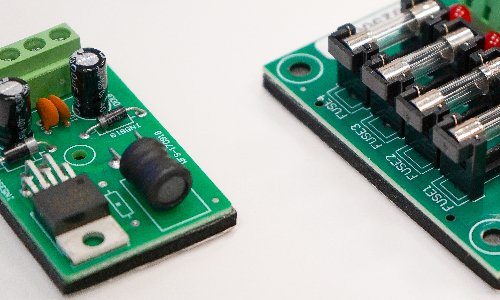
How Common Are Relays?
Relays are far more common than most people realise. Even if you are unfamiliar with access control systems, you have almost certainly used equipment that relies on relays. They are distributed throughout almost every part of an access control system.
A single access-controlled door may involve multiple relays working together - one to release the lock, another to monitor the door state, and others to provide fire alarm override or alarm signalling.
Because relays are typically housed inside enclosures, power supply units, or control panels, they often go unnoticed. However, without them, access control systems could not safely switch loads, integrate with life-safety systems, or operate reliably in real-world installations.
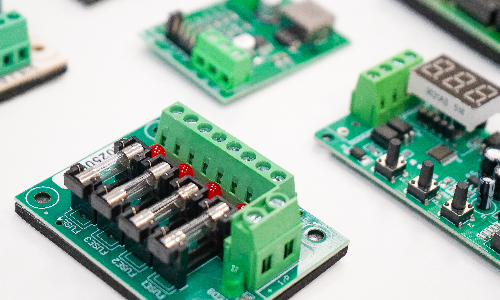
The Role of Relays in Reliable Access Control
Relays are the unsung heroes of access control systems. From keypads and controllers to fire alarms and emergency exits, they work quietly in the background to keep buildings secure and occupants safe.
Understanding the different types of relays, how they interlink systems, and how they manage timing and multiple outputs is essential for anyone involved in access control installation or system design. Whether you are installing your first system or refining a complex solution, relays form the foundation that makes access control reliable, flexible, and safe.
If you need help selecting the right component or access solution, our team is here to guide you. Get in touch with us today for compliant, secure hardware tailored to your project or premises:
T: 01305 263300
E: [email protected]






Comments