When you’re this far into your door hardware journey, you already know about the types of door closers available and the differences between overhead and concealed models. You’re also aware of the key considerations that factor into your decision-making process.
Now is the final stage - selecting the right model of fire door closer. Here we provide a comparison between some of the expansive ranges on offer, so you have an idea of the differences to look for. This buying guide will also help you make a quick, confident decision that’s appropriate for your built environment.
Please note that the fire rating noted is for timber door sets. Check individual products for the fire rating for steel doors.
Common Features of Fire Rated Door Closers
All of the products within our fire door closers category have the appropriate certification for use on fire rated doors. This includes CE marking, fire testing to EN 1634-1, and they are tested in accordance with BS EN 1154. It also covers third party testing, e.g. Certifire certification.
With all closers installed on fire doors, they must be fitted at a minimum power size of EN 3.
Adjustable closing speed and adjustable latching action are also shared functions across the compared units. This is the case for concealed, overhead, and electromagnetic closers.
Manufacturers have a range of finishes available across their collections. This doesn’t impact the specification of the units. So, our buying guide doesn’t factor in finishes when we compare popular models.
.jpg)
Concealed Fire Door Closer Comparison
This is a sample of our stock range of concealed fire rated door closers. Other models and functions are available from these well-known brands.
Concealed models with hold open or swing free function are shown in the electromagnetic door closer comparison chart.
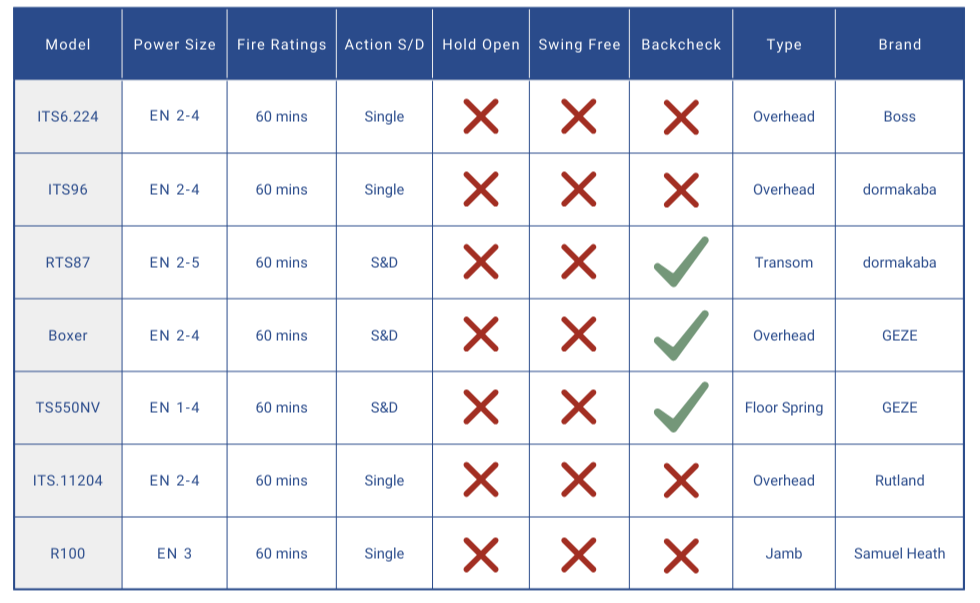
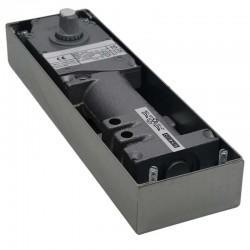
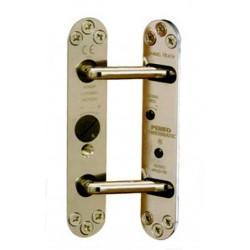
It is of particular importance with concealed door closers that you check the suitability for your door thickness. Additional intumescent material may be required to achieve the desired fire rating on 60-minute doors. This is due to a substantial amount of the door material needing to be removed to install the unit.
Other accessories are available for concealed closers, in particular - floor springs. Some are handed or suited for single or double swing doors, so select a suitable accessory pack. Some floor springs have separate spindles; others have them supplied with the unit, so check model-specific details.
Overhead Fire Door Closer Comparison
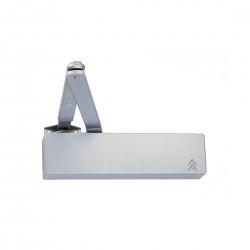
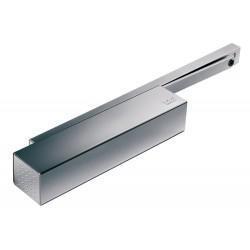
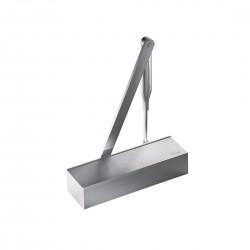
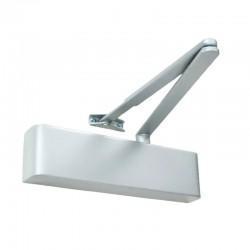
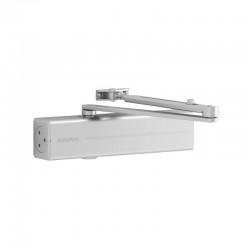
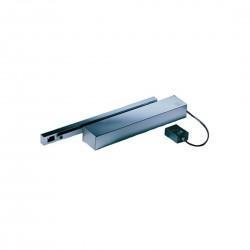
There is a wide variety of overhead door closer models. There are differences in mechanisms – rack and pinion, or cam action for increased efficiency. There are also differences in arm type – scissor arm, parallel arm, or guide/slide channel. These are a good choice where space is of a premium, or aesthetic considerations are factored into the door hardware choice.
The above variations may not make a difference in which closer you select but are worth considering. As is the requirement for push side or pull side mounting. With scissor arm closers, this is where you’ll see referenced:
- Figure 1: pull side mounting with the body on the door
- Figure 66: is the push side equivalent – body on the door
- Figure 61: transom mounting on the push side of the door
Many overhead fire door closers are universal fitting though.
Again, we are comparing a small sample of our stocked range of door closers so you can get a sense of what is on offer and the main differences between units.
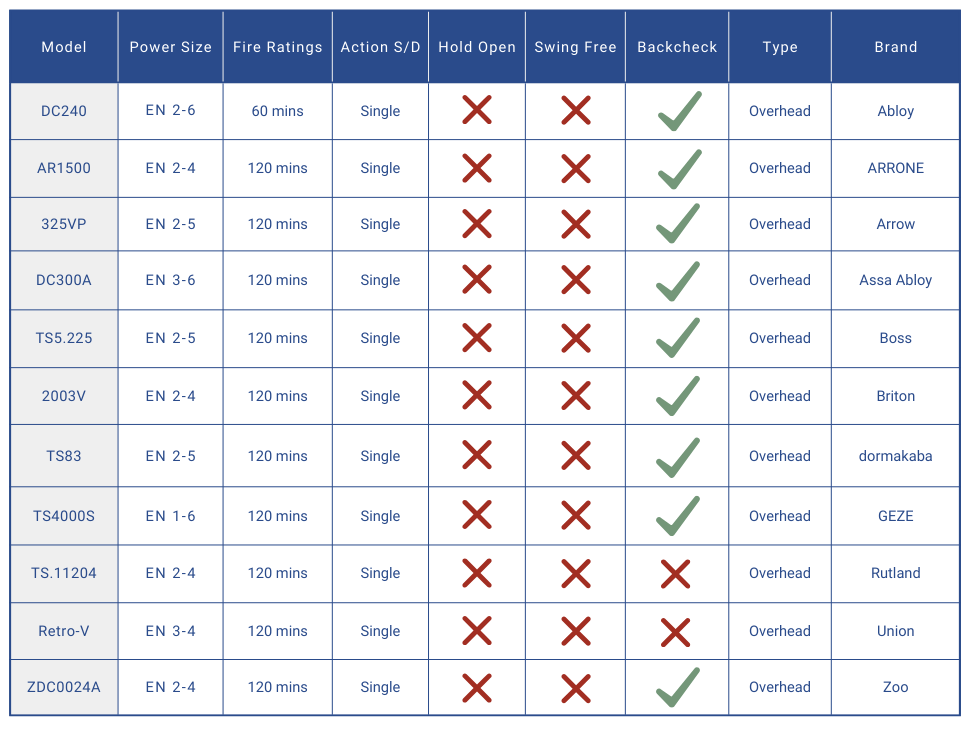
Some of these overhead units have additional functions not noted above, such as delayed action. Others have different power size options available. An example of this is the dormakaba TS83 BC DC closer. As standard, it is power size EN 2-5, with EN 3-6 and EN 7 models available.
Electromagnetic Door Closer Comparison
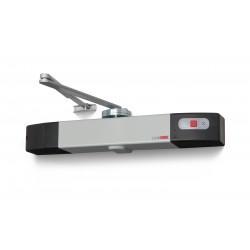
This comparison includes both overhead and concealed door closer variants. The common feature is that they’re all magnetic door closers. These door closers offer a compliant way to hold open fire rated doors, or provide easy access with guaranteed closing, through swing free function.
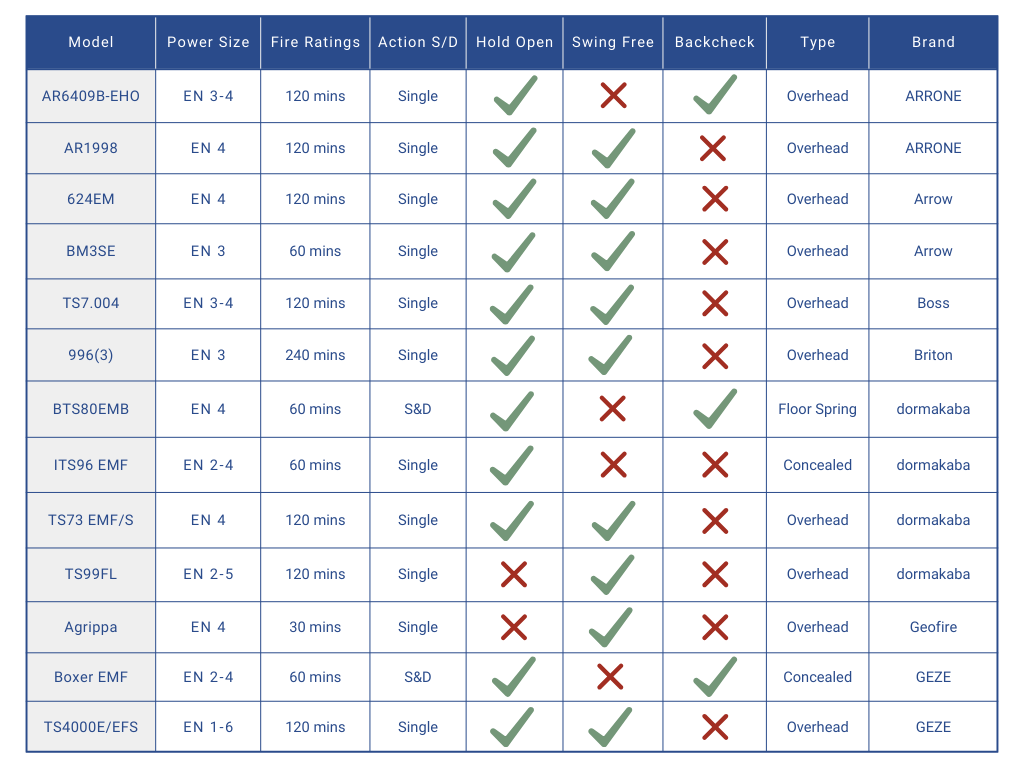
Where a double swing fire door requires a closer, floor spring and concealed door closers are the best options. Floor springs are also the perfect choice for heavy doors.
Separate to the standard door closer functions, there are also differences in activation method:
- Acoustic or wireless signal
- Automatic fire detection
- Power or fire warning system failure
- Manual release
Consider these alongside the fire safety systems in your facility, door positioning, and how convenient running cables would be when making your choice.
.jpg)
Specifics for your Facility
There are many common elements across items of fire door hardware, but there are also many unique elements across different facilities, even for different doors within the same building.
- If your built environment requires closers with greater anti-tamper properties or aesthetics, then choose a concealed door closer.
- For a quick and easy fire door compliant retrofit option, select from the range of overhead closers
- For accessibility and compliance with the opening forces of BS8300-2, select a cam action door closer. Or install a power operated door system on entrance doors.
Note that you cannot use a mechanical hold open device on a fire door – it must be electromagnetic. If you have an existing overhead door closer and require hold open function, install a separate electromagnetic door holder.
Correct Closer Installation for Effective Compartmentation
Fire door inspections by FDIS showed a high percentage of failures due to doors not being installed correctly. There were excessive door gaps and issues with door hardware.
To prevent the spread of fire and smoke, fire doors must close fully into the frame with each and every use. Door closers are a key component of passive fire safety so, to minimise issues, ensure that:
- Any provided fitting template is used
- All necessary adjustments are made – closing speed, latch action, backcheck, and power size
- Check that the door closes fully into the frame
- Electromagnetic closers have the correct power supply
You can read more in our door closer troubleshooting blog.
.jpg)
Fire Door Closer FAQs
Q: What power size do I need for a 30-minute fire door?
A: Install closers at a minimum power size of EN 3 on a fire rated door.
Q: Can I use a hold-open arm on a fire door?
A: No, a mechanical hold open arm cannot be used on a fire rated door. Use an electromagnetic door closer or door retainer.
Q: Are fire door closers mandatory?
A: If it is a Fire Door Keep Locked, then no door closer is required. The door would be locked shut when not in use. For all other fire doors – Keep Shut, or Automatic Fire Door Keep Clear – yes, install a fire door closer.
Q: How often should fire door closers be inspected?
A: This will depend on your building and its fire risk assessment.
- 6-monthly in standard commercial premises
- 3-monthly in high-risk or high-traffic areas and high rise building (HRB) communal areas
- Annually for HRB flat entrance doors
- Weekly or monthly for newly occupied buildings or high-use doors
Correct Specification, Reduced Remedial Costs
This buying guide covers a small selection of our stocked range of door closers. It compares the key features but doesn’t include budgetary factors or detail on matching finishes to existing door hardware. But it will help you in selecting a compliant door closer with the features to suit your door and its users.
When your selection has been made, install the unit in line with the manufacturer's fitting instructions. Make sure to test it regularly as part of your fire door maintenance routine and maintain in line with the manufacturer's instructions to prolong the life of your fire door hardware. This will all help in keeping your building and its users safe and secure, as well as mitigating unnecessary replacement and maintenance costs.
If you’d like further guidance to choose the right door closers for your facility or project, you can contact our team today.






Comments