Behind nearly every reliable access control system is a small but critical component: the relay. Relays quietly manage how power is delivered to locks, trigger alarms, and connect interface devices.
Whether the relay is a visible external module or hidden inside a component like a lock, controller, or keypad, it performs the same fundamental role: switching power safely and reliably. Understanding how relays work—and how they can fail—is key to building and maintaining dependable access control systems.
When a relay is overloaded, miss-wired, or begins to fail, the symptoms can be misleading: doors may lock or unlock unexpectedly, locks may remain powered continuously, controllers may appear faulty, or fire and emergency release integrations may stop responding correctly. External and internal relays can both exhibit these same issues.
Serving as the bridge between control electronics and higher-current field devices, relays are often the first components stressed by electrical problems. Proper troubleshooting allows for accurate fault isolation, reduced downtime, and continued compliance with life-safety and access control requirements.
Common Relay Faults in Access Control
1. Relay Contacts Sticking
What it is: Relay contacts weld or stick together, remaining closed even when the coil is no longer energised.
Symptoms:
- Door remains unlocked after access is granted
- Lock remains powered when it should release
- Door only resets after power is removed
Causes:
- Excessive current through the contacts (overload)
- Inductive devices (like locks) without flyback protection (causing back EMF)
- Incorrect relay rating for the device
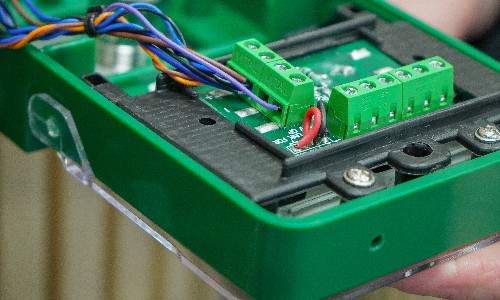
Pro tip: These issues can occur in any relay, whether it’s an external module or a relay within a component like an electric door lock. Using the correct relay rating and protecting inductive loads with a diode can prevent contact sticking.
2. Incorrect Voltage Applied to the Relay Coil
What it is: The relay isn’t receiving the correct voltage, so it doesn’t switch reliably.
Symptoms:
- Relay buzzes or chatters
- Switching is inconsistent
- Coil overheats or burns out
Causes:
- Using a 12V relay on a 24V supply (or vice versa)
- Applying AC to a DC relay (or DC to AC)
- Sharing a power supply without proper regulation
Pro tip: Internal relays depend on a stable, regulated power supply. If the voltage is too high, too low, or fluctuating, these relays can chatter or fail—just like external modules. Always check the voltage against the datasheet.
3. Overheating Relay Coils
What it is: The coil gets too hot due to incorrect voltage, continuous operation, or poor airflow.
Symptoms:
- Relay fails after weeks or months
- Plastic housings discolour or warp
- Unstable operation during long un-lock periods
Causes:
- Continuous powering of a non-latching relay
- Incorrect jumper settings increasing voltage
- Poor airflow in enclosures or inside devices
Pro tip: For relays that remain energised for extended periods, whether inside a controller, keypad, or external module, use a continuous-duty-rated relay and ensure adequate ventilation.
4. Incorrect Jumper Settings or Configuration
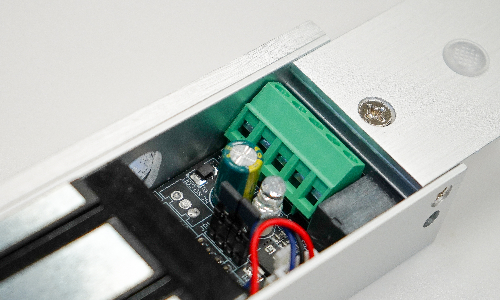
What it is: Jumpers or internal configuration switches determine coil voltage and contact behaviour (Normally Open vs Normally Closed).
Symptoms:
- Relay behaves unpredictably
- Possible damage to the relay or connected electronics
Pro tip: Internal relays often have fixed or configurable settings. Double-check datasheets or manuals to ensure any jumpers, dipswitches, or internal settings match the system requirements.
5. Excessive Current Draw Through Relay Contacts
What it is: The connected load draws more current than the relay contacts can handle.
Symptoms:
- Overheating or welding of contacts
- Intermittent or complete relay failure
Causes:
- High inrush currents from locks or maglocks
- Multiple devices connected to a single relay
- Misjudged current ratings
Pro tip: Always calculate total current draw including inrush, regardless of whether the relay is external or internal. When in doubt, use a higher-rated relay or interface module to prevent damage.
Practical Relay Fault-Finding Checklist
- Confirm the symptom at the door – Does it lock/unlock as expected? Note any inconsistencies.
- Measure voltage at the relay coil – Ensure it matches the relay’s rated voltage.
- Check jumper/settings and verify relay ratings – Make sure voltage selection and NO/NC configurations are correct.
- Measure current through the contacts – Include inrush current to verify it doesn’t exceed the relay’s rating.
- Check for heat buildup – Feel for excessive warmth on the relay or surrounding components.
- Consider internal relays – Keypads, controllers, and interface boards contain relays that can fail in the same ways as external modules. Don’t overlook these when troubleshooting.
- Swap in a known good relay if possible – This helps isolate the fault before replacing larger system components.
Following this checklist ensures accurate fault diagnosis, reduces unnecessary controller replacements, and saves valuable time on site.
Final Thoughts: Trust Starts with Understanding
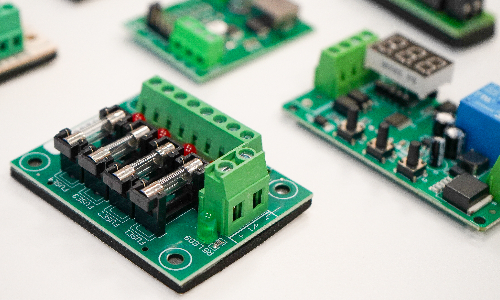
Access control relays, whether external modules or internal components inside keypads, controllers, or electric locks, carry a huge responsibility. When selected and used correctly, they are extremely reliable. When misused or stressed, they can be one of the most common points of failure in access control systems.
If you need further information on a product or help on site troubleshooting a fault, contact our team today for guidance and support.






Comments