Choosing an electric door lock involves more than selecting the highest holding force available. The type of door, how it operates, the available space, and the forces acting on the door all impact which locking solution is suitable.
This is particularly important when dealing with doors that experience pressure, are double-action, or undergo changes in alignment over time.
Once a suitable lock has been identified, the rest of the process can follow. How the lock is installed, aligned, and maintained has a significant effect on its long-term performance.
Read on to discover how the ML350 door lock is a nuanced yet credible choice for a wide range of electric locking applications.
Is the ML350 right for your door?
The GEM ML350 electric lock isn't necessarily the right solution for every application.
It is designed for applications where the door itself can present additional challenges and is particularly worth considering where you have:
• A single or double action door
• A door that experiences preload or pressure
• Limited space around the door
• A requirement for high holding force
• A preference for a discreet mortice-mounted locking solution
• A requirement for door and lock monitoring
• An application where conventional surface-mounted locking isn't desirable
• Fire rated timber doors requiring motorised locking
Consider the door
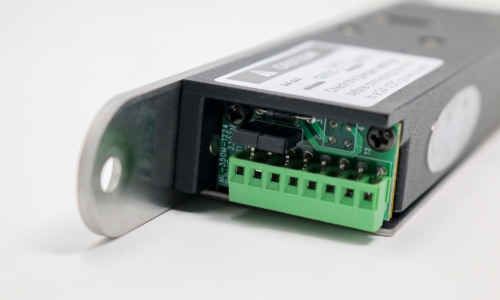
The ML350 door lock is designed for single and double-action doors, making it suitable for applications where the door needs to operate in both directions.
This can make the ML350 worth considering for commercial buildings, busy corridors, healthcare environments and other applications where double-action doors are used.
This motorised lock can be vertically or horizontally mounted and is fire rated to BS EN 1634-1 for both 30-minute and 60-minute timber single action fire doors.
Its compact, mortice design, high holding force, and preload release capability make it a particularly useful solution where a conventional surface-mounted electric lock may not be suitable.

What is preload and why does it matter?
Preload is the pressure being applied to a door while the lock is being released. A motor or solenoid lock may have a very high holding force, but that doesn't necessarily mean it will release reliably when the door is under pressure.
This can happen for several reasons:
• Air pressure
• Alignment issues
• Somebody pushing against the door
All of these can place pressure on the locking mechanism.
The GEM ML350 is designed to release with up to approximately 230kg of preload, making this one of its key features.
For the installer, this means the question isn't just:
“How strongly does the lock hold the door?”
It is also:
“How reliably will the lock release when the door is under pressure?”
Understanding this difference can be important when selecting an effective electric locking solution.
Additional features of the GEM ML350 door lock
In addition to the high preload tolerance, the ML350 provides approximately 680kg of holding force within a compact mortice design.
Unlike a traditional surface maglock, the ML350 can be installed within the frame construction. This provides a much more discreet installation and can be useful where there is limited space.
This electric lock is fail unlocked (also known as fail safe), meaning it will unlock automatically when power is lost. This supports safe exit from a facility during a power outage.
12V or 24V DC operation and monitoring
The GEM ML350 can operate at 12V DC or 24V DC, providing flexibility when integrating it with different access control systems and power supplies.
The monitoring provides door and lock status feedback, allowing the access control system to receive information about the lock condition.
This can be particularly useful where it is important to know whether the door is closed and locked rather than simply knowing that an unlock command has been sent.
Servicing the GEM ML350 electric lock
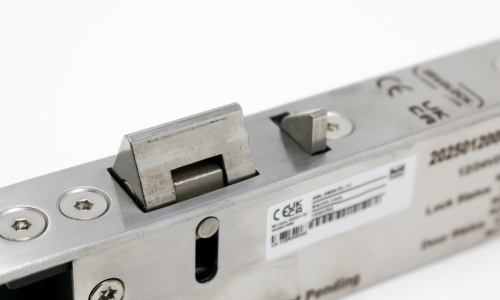
A useful service check should include:
• Check the lock and keep remain correctly aligned
• Check the locking mechanism fully enters the keep when the door closes
• Check the door is closing correctly and isn't being held away from the correct position
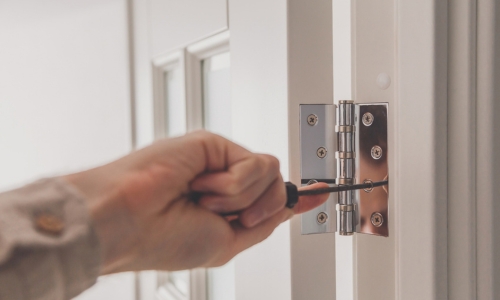
• Check hinges for signs of wear or movement
• Check whether the door has dropped or moved from its original position
• Check fixings for looseness
• Check the keep and surrounding area for damage or obstruction
• Check that the locking mechanism is clean and free from debris
• Check the electrical connections and power supply
• Check that the lock releases correctly from the access control system
• Where monitoring is fitted, check the door and lock status feedback operates correctly
The mechanical condition of the door and locking arrangement should also be considered.
What to check when an ML350 isn't operating correctly
If an ML350 lock is reported as faulty, it can be tempting to immediately assume that the lock itself needs replacing.
Before doing so, check these 5 basics:
1. Is the door aligned correctly?
Look at the relationship between the lock and keep. Has the door dropped? Are the hinges worn? Has anything changed since the lock was originally installed?
2. Is the mechanism entering the keep fully?
Check for debris, obstruction, or anything preventing the locking mechanism from reaching its correct position.
3. Is the door closing correctly?
A door that isn't closing into the correct position can create problems even when the electrical side of the lock is working correctly.
4. Is the lock receiving the correct power?
Check the supply, connections, and wiring as part of the fault-finding process.
5. Is the access control system providing the correct release signal?
Where the electrical supply and mechanical alignment are correct, the access control equipment should also be checked to confirm the lock is receiving the expected release command.
Taking this approach can help identify whether the problem is with the lock itself or another part of the door and access control system.
Choosing the right electric door lock
The GEM ML350 from CQR offers a combination of high holding force, preload release capability, double-action compatibility, and discreet mortice installation, making it an option worth considering for a range of premises.
If you need some guidance on selecting a suitable electric locking solution or help troubleshooting on site, get in touch with our technical team today:
T: 01305 263300
E: [email protected]







Comments