If It Protects Them, Check It
The Familiar Door That Isn’t Always Safe
It’s a quiet morning. You’ve walked this hallway hundreds of times. You open the door; the weight feels reassuring, familiar. But familiar doesn’t always mean safe.
You might not notice the damaged hinge. The latch that doesn’t fully engage. The peeling intumescent seal. A door propped open “just for a minute”. None of it shouts for attention, until the moment it matters most.
In a fire, seconds decide everything. The smallest weakness can decide whether a door holds back smoke and flames, or lets them through.
And the truth is, those weaknesses are more common than most people realise.
The Hidden Weaknesses in Fire Doors
On the surface, it’s unsettling. Behind every failed fire door is a missed detail, a moment where something small was overlooked. It’s never just a fault in the door. It’s a fault in the process, the upkeep, the decision to leave something “for another day.”
IPS Fire & Security reported that in 2022/23 there were over 7,200 fires in non-domestic buildings.
These aren’t just doors in vacant buildings. These are doors in schools, offices, hospitals, and homes. Places where people feel safe. Places where people gather, work, sleep, and trust that safety is built in, places where we assume the basics have been covered.
But assumptions don’t close doors. Assumptions don’t stop smoke. Assumptions don’t save lives.
That’s why the question isn’t “why check”, it’s “why wouldn’t you?”.
Why Fire Door Checks Can’t Wait
The Fire Door Inspection Scheme (FDIS)’s data found that the most common reasons for failure are excessive gaps, faulty seals, damaged doors, and poorly fitted hardware. Fire door compliance isn’t a one-off task. It doesn’t end on installation day.
Every knock, every slam, every “temporary fix” that becomes permanent changes how a fire door performs. Wear and tear is inevitable, but catching it early is a choice.
That choice belongs to building owners, facilities managers, landlords, and anyone responsible for keeping people safe. It’s not about passing an inspection once; it’s about making sure that every day the door is ready to do its job.
Every check is a chance to spot an issue before it becomes a hazard. Every issue caught is one less risk when lives are on the line.
And the only way to know that is to look, properly, regularly, and without assumptions.

Fire Door Checks: What to Look For
When you know what to look for, the invisible becomes obvious:
Fire Door Gaps: Too much space between the door and frame? That’s a direct route for fire and smoke.
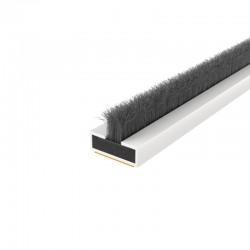
Intumescent Seals: Worn down, missing, or damaged? That seal won’t expand when it’s needed.
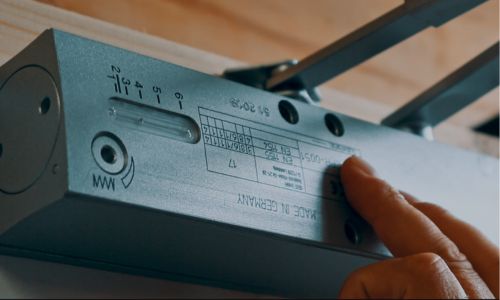
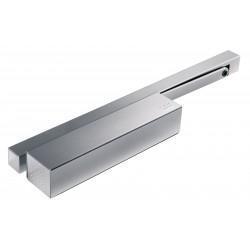
Door Closers: The door should close fully, every time, without hesitation.
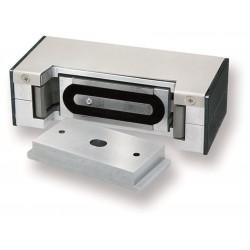
Access Control Systems: Any added systems must work with the fire door, not against it.
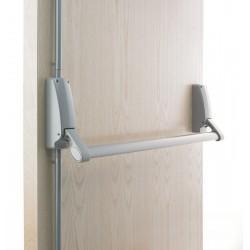
Panic Door Hardware: One push should open the door instantly, no sticking, no resistance.
Fire Door Hinges: They need to be the right type, in good condition, and properly fitted.
Door Handles: Compliant, sturdy, and ready to work under pressure.
Individually, these might feel like small checks. Together, they decide whether a fire door performs when it matters most.
And in that moment, “good enough” isn’t good enough.

The Action That Protects
Compliance isn’t about ticking boxes. It’s about protecting the people who trust that door with their lives, even if they don’t know it.
Behind every compliant fire door is a decision, a deliberate choice to check the details and to not assume they’re fine.
Because the one day you skip the check could be the day it’s needed.
If it protects them, check it.
Watch our Check What Matters videos to see the difference the right checks make and the small details that decide everything.





Comments